
Concrete Forming
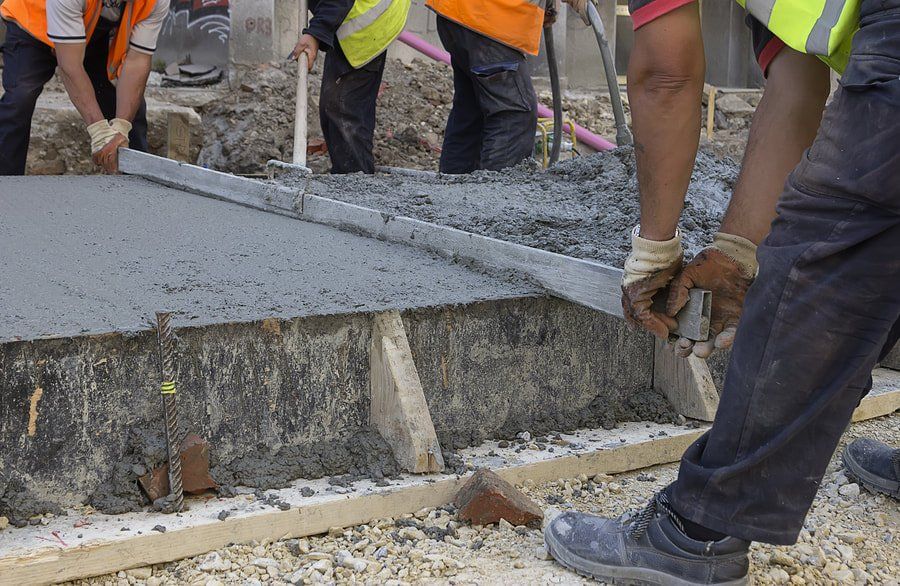
Concrete forms are an effective way to cast concrete in a specified shape. A concrete form is placed and then concrete is poured into the form. The concrete is left to harden and then the form can be removed. This makes crafting perfectly shaped pieces of concrete easy. Concrete forms are used for all types of concrete projects including, floors, foundations, patios, driveways and retaining walls. Our team uses a variety of forms during construction. We even offer decorative concrete forms that will beautify your concrete structures. Feel free to email or call our customer service team today to learn more about our concrete forming services.
What is Concrete Forming?
Concrete forming is the process of using an external frame or form to shape concrete. We will use a wood or concrete form to shape the project. The concrete is then poured into the form. Once the concrete is hardened the frame can be removed. This makes it easy to shape concrete into a wide range of shapes. We can craft winding driveways, circular patios and more with concrete forming. Our team has years of experience using concrete forms. Give our team a call today if you are interested in our concrete forming services.
Wood Forms for Concrete
Wood forms have been used for years. We will use wood forms on many of our projects. The form is normally constructions with plywood and stakes. The form will be leveled to ensure the concrete will be perfectly leveled once hardened. Wood forms can be used to create round edges and turns in your concrete flatwork. We often use wood forms to create intricate patio designs or winding driveways. Our team has years of experience using wood forms for all types of concrete construction.
Concrete Wall and Insulated Concrete Forms
Our contractors will also use concrete wall and insulated concrete forms during construction. Concrete wall forms are pre-made and are normally used when building walls and larger structures. Insulated concrete forms (ICFs) are built of a foundation slab and reinforced metal bars. Concrete is poured into the block structure to finish the form. ICFs are energy efficient and are used in walls, roofs, and floors. We are available today to get started on your concrete construction project. Feel free to email or call our customer service team today if you would like to learn more about our concrete wall and insulated concrete forms.
Decorative Concrete Forms
We also provide decorative concrete form services. We can use decorative forms to beautify concrete and use it in a variety of situations. We can create stunning and durable kitchen countertops and many other products that will beautify your home. The forms are normally used to create negative space and will poured upside down to achieve these effects. Our design team has a wide range of options for you to choose from. If you are interested in decorative concrete forms, don’t hesitate to give our team a call today for more info.

FAQs
Have questions about concrete forming in Stratford? Our FAQ section covers the most common things property owners ask about forms, preparation, installation quality, and what to expect before a concrete project begins.
What is concrete forming?
Concrete forming is the process of building and setting temporary forms that hold wet concrete in place while it is poured and cured. Proper concrete forming is essential for creating the correct shape, depth, alignment, and finish for the project.
Why is concrete forming important for a concrete project?
Concrete forming is important because it helps control the size, shape, and structural layout of the finished concrete. Well-built forms help improve accuracy, appearance, drainage, and long-term performance.
What types of projects require concrete forming in Stratford?
Concrete forming is used for many residential and commercial projects in Stratford, including driveways, patios, sidewalks, walkways, curbs, steps, pads, and other flatwork. It is a key part of any project that needs clean lines, proper grading, and a solid finished result.
How does proper concrete forming affect the final finish?
Proper concrete forming helps create straight edges, smooth curves, even thickness, and the right slope for drainage. Poor forming can lead to uneven surfaces, weak spots, drainage problems, and a less professional finished look.
Can concrete forms be built for custom shapes and layouts?
Yes, concrete forms can be customized for different project sizes, shapes, curves, and layouts. This allows homeowners and property owners to create concrete features that fit the design and function of their space.
What materials are used for concrete forming?
Concrete forms are usually made from wood, metal, or specialized forming systems depending on the type of project. The right forming material depends on the job size, layout, finish requirements, and site conditions.
Does concrete forming help with drainage?
Yes, concrete forming plays a major role in setting the grade and slope of the finished concrete surface. Proper forming helps direct water away from buildings and reduces the risk of pooling, erosion, and surface damage.
How long do concrete forms stay in place?
Concrete forms usually remain in place until the concrete has cured enough to hold its shape and edges properly. The timing depends on the weather, project conditions, and the type of concrete being used.
Should I hire a professional concrete contractor for forming?
Yes, hiring a professional concrete contractor for forming is important because accuracy matters before the concrete is ever poured. Proper forming helps prevent costly mistakes and supports a stronger, cleaner, and longer-lasting final result.
Why choose Stratford Concrete for concrete forming services?
Stratford Concrete provides professional concrete forming services for projects that require precision, durability, and a clean finished appearance. Working with an experienced contractor helps ensure the job is prepared properly from the ground up.
Still have a question?
Have questions about concrete forming in Stratford? Our FAQ section covers the most common things property owners ask about forms, preparation, installation quality, and what to expect before a concrete project begins.